Blog
Thank you! Your submission has been received!
Oops! Something went wrong while submitting the form.
Participant Stories
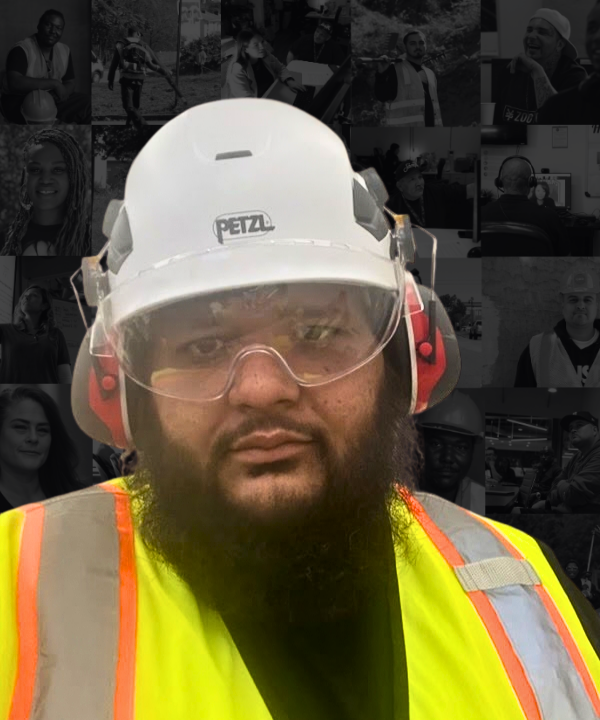
Fernando Found the Strategy First, Then Built the Career
Fernando spent his early childhood in the Dallas, Texas, area before moving to California around the sixth grade. He remembers growing up with his brother in a happy home, raised by a mother who always managed to keep a roof over their heads.
Read the story.jpg)
Participant Stories
Leading by Example: How Talasha’s Journey Back to School Inspired Her Children
Talking to Talasha, one of the first things she shares is how proud she is of her children. She glows when talking about her daughter, a high school student who earns straight A’s and performs as a majorette in the school band, as well as her 17-year-old son, who is actively pursuing his own goals and finding his path forward. Today, she is focused on rebuilding a stable foundation for her family and setting her sights on a future in corporate leadership.
Read the story
Participant Stories
How Administrative Delays Impact Reentry in New York
Coming home on October 1, 2024, I knew that reentering society would be a job in itself. I had all my paperwork ready and followed every rule I was supposed to follow. Yet, despite calling and following up constantly, I didn't receive benefits until mid-December. That two-and-a-half-month wait was a stark reminder of how hard this path would be. Programs like Medicaid are essential to people like me who cannot afford healthcare in an economy where basic medical costs are dangerously high.
Read the story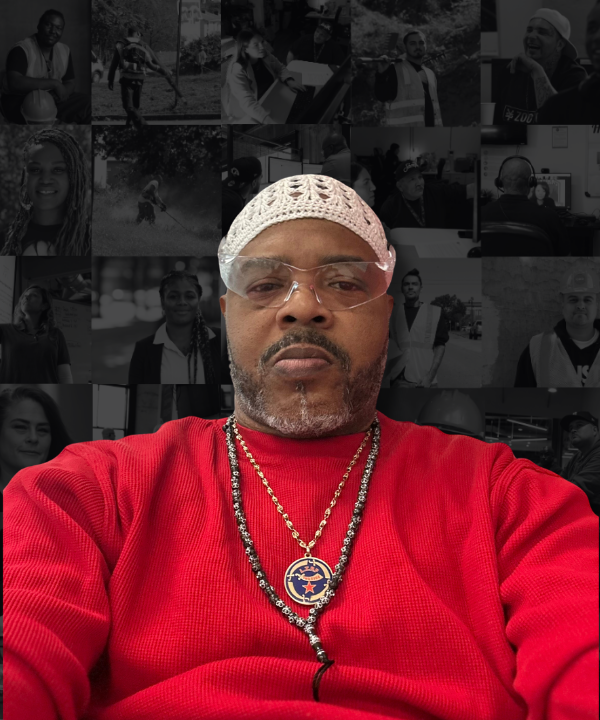
Reentry Cash Assistance
James’s Story: The Causal Link Between Direct Funding and Fatherhood
When James left the streets in 1991, he was stepping toward a complete shift in his life's trajectory. In 2010, he married his children's mother. At that time, his three kids were just 5, 7, and 9 years old. Being a married father fully present in the daily lives of his young children gave him a profound sense of focus and purpose—in his own words, they kind of saved his life. By the time he walked out of the prison gates later on, he returned to a completely different landscape. His children were now young adults, ages 21, 23, and 25. Though he was no longer married to their mother, he was still entirely their father, but he was returning home carrying the heavy weight of having missed a significant, formative part of the upbringing of the very children who had once given him purpose.
Read the story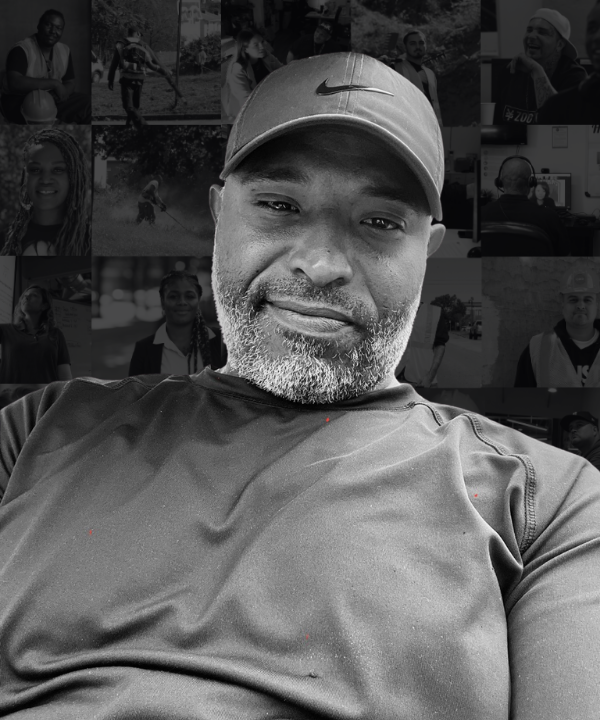
Participant Stories
Parenting Without a Safety Net: Jose’s Story
According to the Sentencing Project, nearly half of the 1.9 million incarcerated people in America are parents. This means that when someone is released, it’s not just a personal milestone – it’s a family reunion that requires immediate stability. For fathers like Jose, coming home means facing the responsibility of supporting children right away, with no savings, no cushion, and no time to wait for help.
Read the story.jpg)
Participant Stories
More Than Medicine: Anthony’s Fight for Health Coverage Post-Release
For many people leaving incarceration, health coverage is not just a benefit – it is a lifeline. Without it, accessing mental health care, medication, and the stability needed to rebuild a life becomes nearly impossible. For Anthony, Medi-Cal made all the difference.
Read the story.jpg)
Participant Stories
Locked Out Before the Door Opens: The Real Cost of Healthcare Mandates
The transition back to society isn't a single step; it is a grueling, daily trek up a steep mountain. For me, that climb has been defined by a system that feels designed to watch me slide backward, rather than help me reach the top.
Read the story
Participant Stories
Julio’s Turnaround: If One Door Shuts, Another Opens
Julio was raised in a Mid-City-Koreatown neighborhood in Los Angeles as one of six children in a hardworking family. Despite the gang violence in the surrounding streets, his parents taught their children to stay focused on their education and goals. They provided for all six of them without reliance on government assistance, stretching out every paycheck. Even through the agony of incarceration, Julio kept his eyes fixed on the hope his parents gave him, driven by his dream to “take care of them the way they took care of us.”
Read the story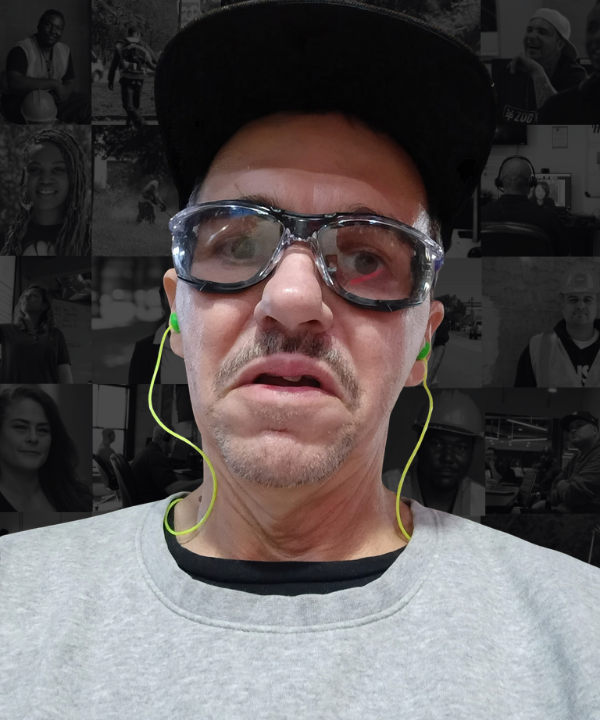
Participant Stories
Finding Stability and Rebuilding a Life: Anthony’s Reckoning
When Anthony moved into a halfway house in Pittsburgh three years ago, he wasn’t sure what would come next. On his second day there, he saw a posting on the bulletin board in the kitchen for the Center for Employment Opportunities (CEO) – suddenly he knew he had found direction.
Read the story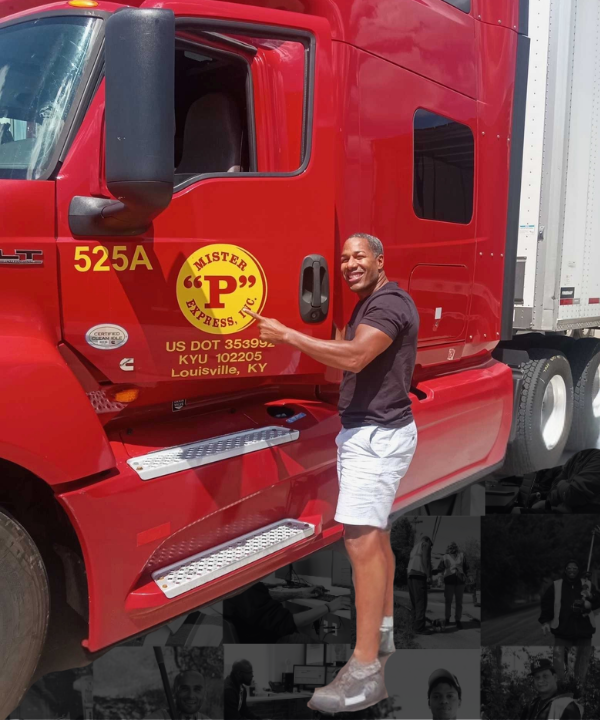
Participant Stories
Jerry Driving Towards a Better Tomorrow
By the time Jerry turned 18, his life in Louisville, Kentucky had already been shaped by poverty and the crack epidemic that swept through his neighborhood. He started selling drugs at 15, was expelled from school for carrying a beeper, and soon after was arrested for robbery. Several state prison sentences followed over the years– a pattern that could have easily defined him.
Read the story
Participant Stories
Chanise’s Story: Life Beyond the Minimum
Chanise is the sixth generation of her family to call Colorado home. Growing up in Denver, she dreamed of becoming an artist and helping young people see different possibilities. In her youth, she was surrounded by a supportive family and community. But after turning 18, her life took a painful turn.
Read the story
From the Field
What We Learned Building an AI Eval System with a Reentry Nonprofit
Participants loved using the AI mock interview coach, but was it actually getting them ready for job interviews?
Read the story