Blog
Thank you! Your submission has been received!
Oops! Something went wrong while submitting the form.
Participant Stories
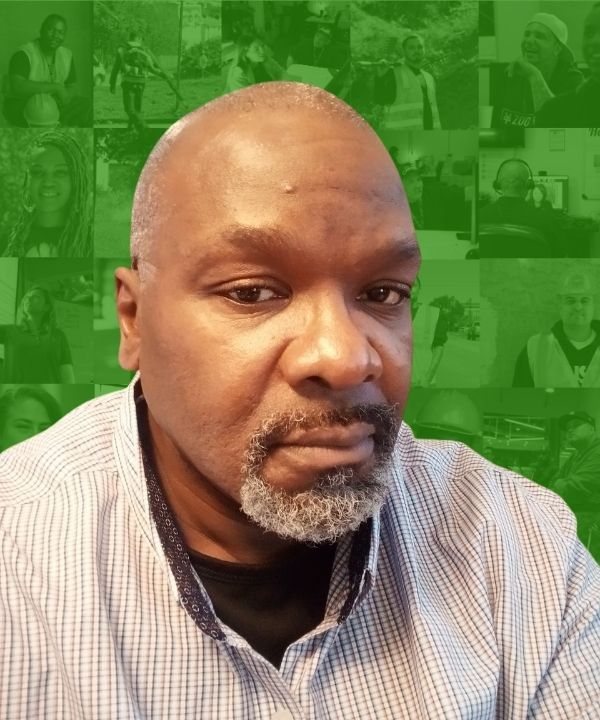
Dewayne: Finding His Place in Healthcare at Evergreen
For Dewayne, the goal was always simple: find steady work, earn a living, and move forward. Growing up in Cleveland, he learned early that hard work was non-negotiable. Showing up, putting in effort, and staying focused were values he carried with him even when the opportunities in front of him didn’t match that level of commitment.
Read the story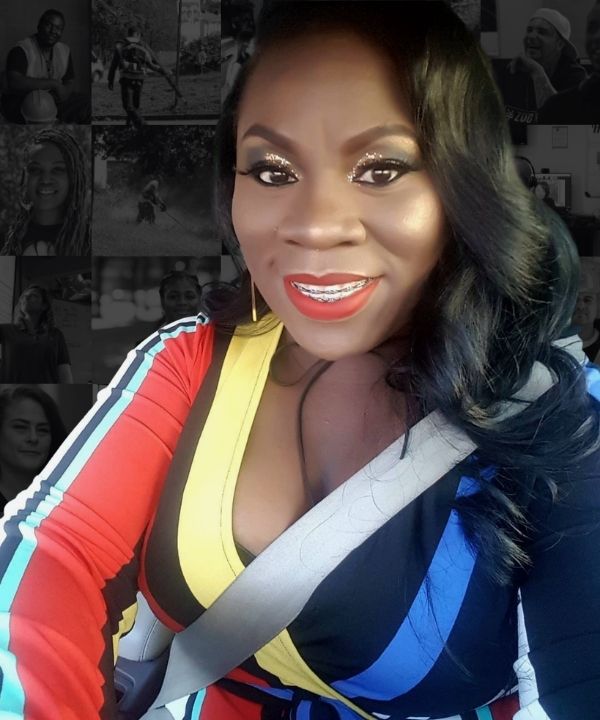
Participant Stories
One Determined Mother’s Lessons on Succeeding After a Setback
Born and raised in New Orleans, Charbaney comes from a place that knows firsthand what it means to rebuild from the ground up. Today, the 39-year-old mother of four is now doing that herself – rebuilding her life.
Read the story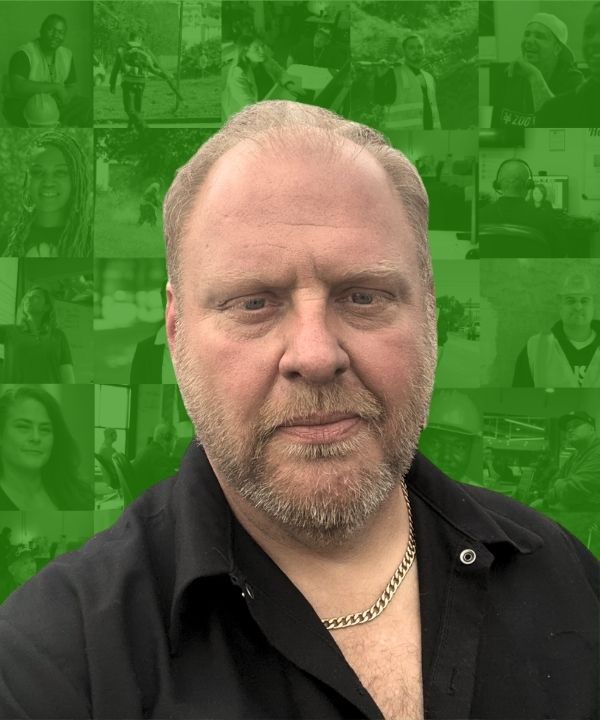
Participant Stories
How John Turned a Diagnosis Into His Turning Point
As a semi-truck tow driver for a major company in Kentucky, John spends his days hauling everything from box trucks to tractor-trailers to and from depots and garages throughout the Midwest. Today, he says it’s a job that he not only enjoys, but that also provides an experience he has dreamed about. “I’ve always wanted to travel on the open road,” John said. “Now I have a skill and a career that I can use to one day see the whole country that way.”
Read the story
From the Field
Meet Yessica and Danny: Game Plan for Opportunity
They both work at Bread & Cie. Yessica helped interview Daniel when he applied for a pastry position. She saw something in him — a strong attitude, a willingness to learn, and a sense of optimism. Daniel brought that energy to the job from day one. They may not work in the same department, but their connection shows up in how they move through the workplace. They both root for the Seattle Seahawks. They both work hard. They both show up with a positive attitude. They both believe in helping others and doing the job right.
Read the story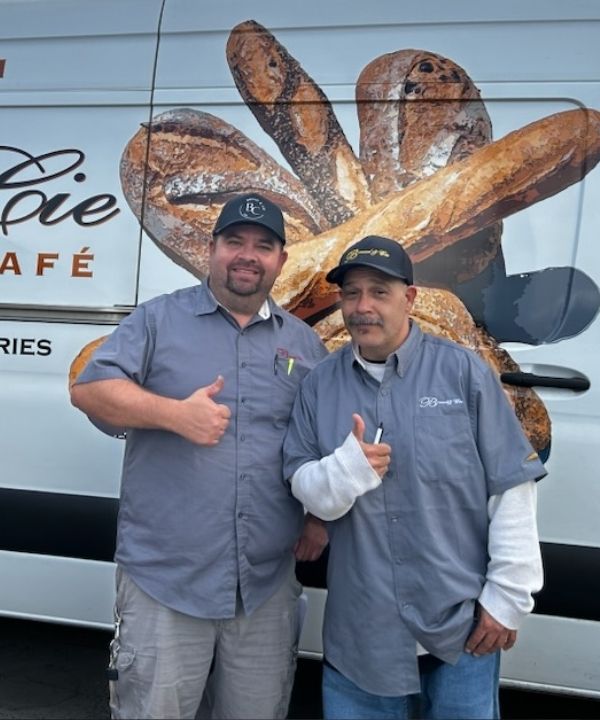
From the Field
Meet Michael and Jose: Game Plan for Opportunity
They work together at Bread & Cie. Jose leads the delivery department. Michael is part of his team. Michael roots for the Cowboys. Jose stands with the Eagles. They don’t always talk about football, but at times — especially early in the week while loading trucks — there’s a quick recap of games, big plays, and tough losses. It’s a small moment of connection in the rhythm of the workday. But the real teamwork shows up before kickoff.
Read the story
From the Field
Meet Melissa and Jeffery: Game Plan for Opportunity
They work together at Construction Junction, a building materials store in Pittsburgh. She roots for the Steelers. He proudly backs the Ravens — and occasionally the Commanders. When those teams play each other, there’s plenty of friendly back-and-forth in the store. A little rivalry keeps things interesting. But what they share goes far beyond football.
Read the story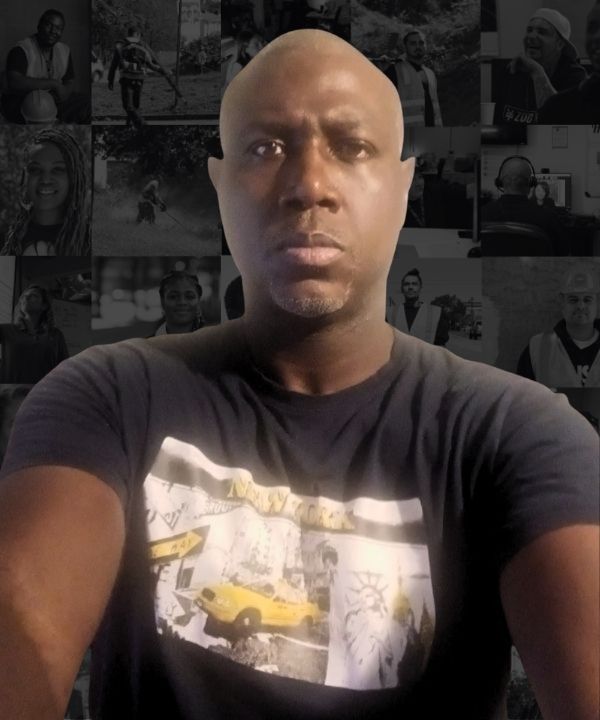
Participant Stories
Marine Vet is Winning His Toughest Battle Yet: Andre’s Life Post-Incarceration
It took Andre 63 years to finally get to this place in his life: a quality job, stable housing, a reliable vehicle, strong relationships, and a healthy mind, body, and soul. While this may be a less-than-exciting yet important goal for most Americans, for people with a substance use disorder, having basic necessities and living a balanced life can be a tremendous challenge.
Read the story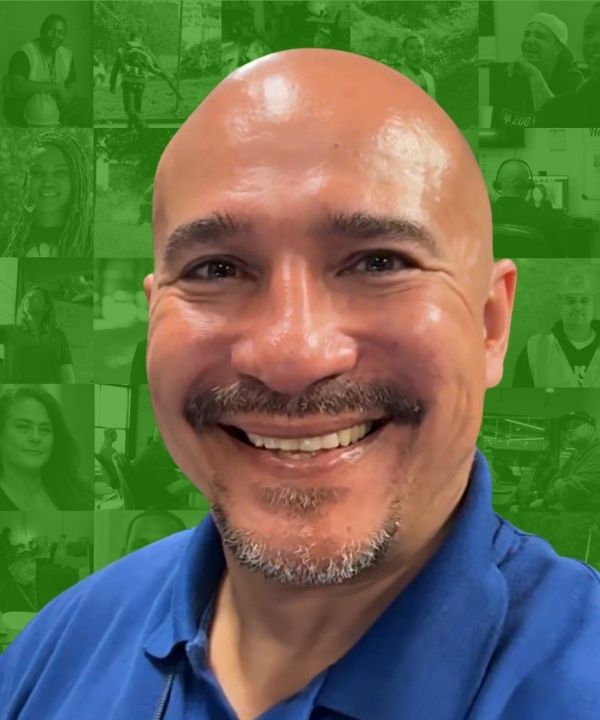
Participant Stories
Angel’s 24-Year Journey to Meaningful Work
Every day, Angel helps unhoused individuals navigate some of the hardest times in their lives. As a behavioral health peer specialist for Sacramento County’s Homeless Engagement and Response Team (HEART), he connects people to food, medical assistance, and mental health services, and helps them find housing and shelter resources. Most importantly, he shows them that change is always possible.
Read the story
Participant Stories
George’s Next Chapter Is Union Strong
Today, living in a new apartment and working multiple part-time jobs, George is finally able pursue the career he gave up years ago and begin studying to become a certified member of his local carpenters' union. The union specializes in diverse construction projects, including commercial construction, scaffolding, pile driving, and historic renovations throughout Louisiana. Working for them will provide the kind of job security George says he has always wanted and needed.
Read the story
Participant Stories
Work, Stability, and Kim’s Fresh Start at 64
At 64, Kim knows the importance of getting another chance in life, and he’ll do anything not to squander it. After spending nearly two decades behind bars, the father of three girls recalls the feeling he had when coming home to his family and a brave new world.
Read the story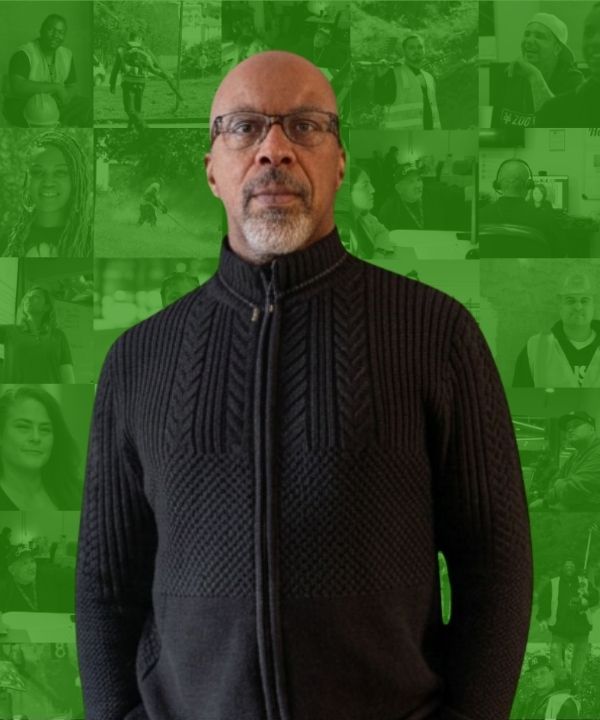
Participant Stories
After 35 Years of Waiting to Go Home, George Defines Reentry Success
Growing up in Detroit, George remembers his mother getting on the city bus to go to her job downtown and telling him that he could build something better. “My mom would tell me I could be somebody,” George says. “She believed that.” Having only met his father twice, it fell on George’s mother to raise him and his three siblings, and his grandparents, who worked for Detroit public schools. They would always stress that an education is the most important thing to have in life.
Read the story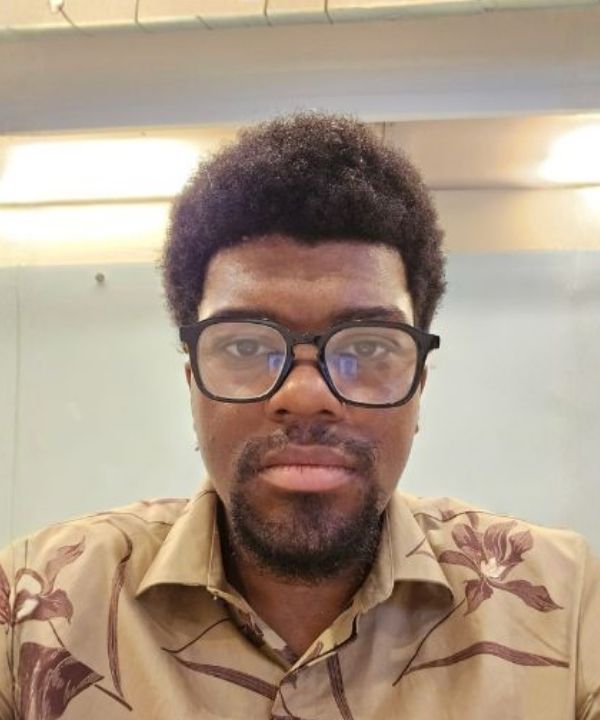
Participant Stories
Ahmad’s Ramadan: Sharpening Discipline, Building With Intention
For Ahmad, Ramadan is not a break from life, it’s a time to sharpen it. As a member of the Center for Employment Opportunities (CEO) Emerging Leaders Program (ELP), Ahmad approaches this Ramadan season the same way he approaches his personal growth: intentionally, critically, and with an expectation of producing positive results. He is justice-impacted and grounded in the teachings of Islam, focused on becoming better each year than he was the year before.
Read the story