.jpg)
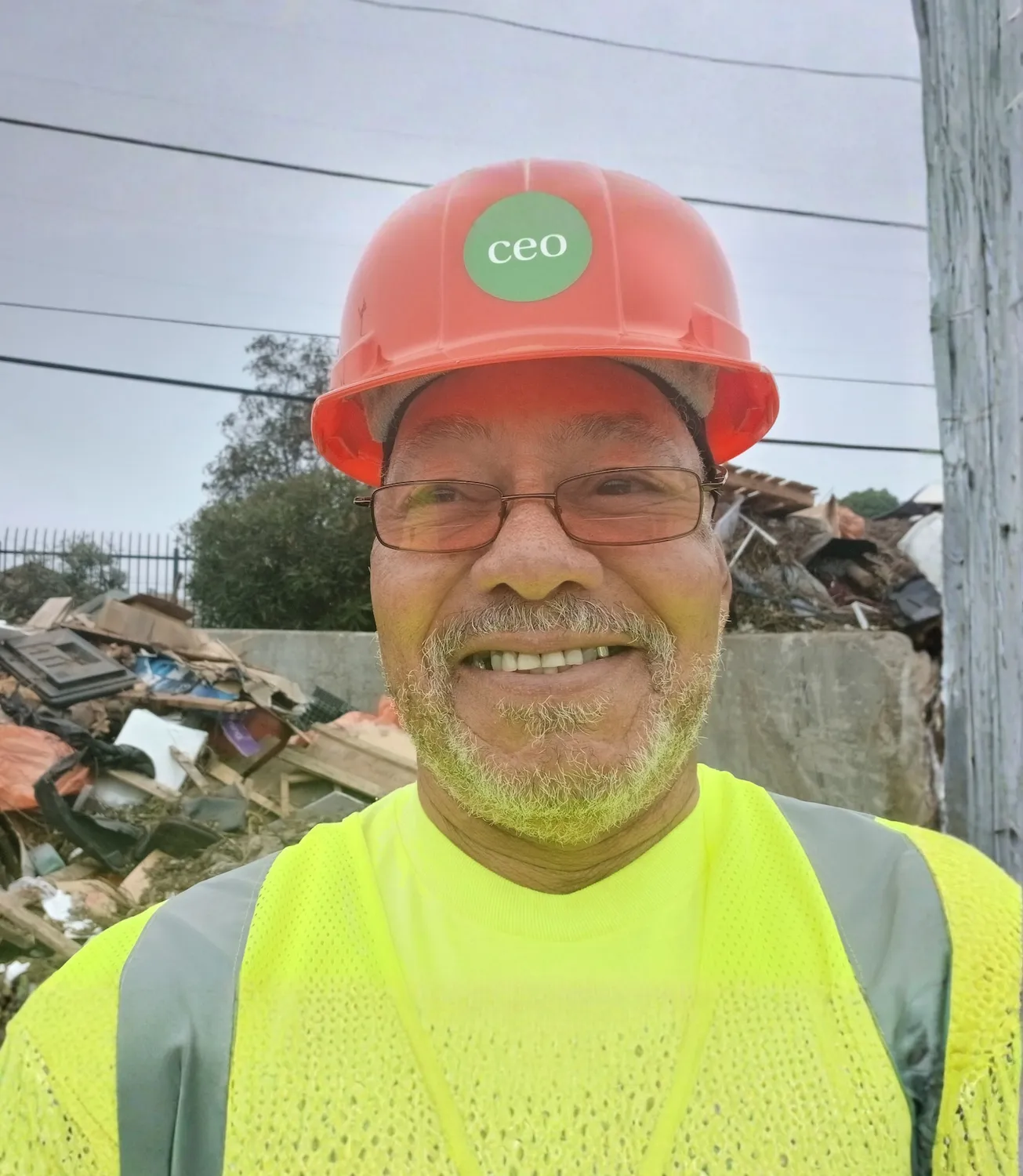
By Charlie, CEO Los Angeles Participant
The transition back to society isn't a single step; it is a grueling, daily trek up a steep mountain. For me, that climb has been defined by a system that feels designed to watch me slide backward, rather than help me reach the top.
As anyone can imagine, my Medi-Cal healthcare coverage is a vital lifeline. Recently, however, I learned that H.R. 1 proposes work requirements that could tie my healthcare to a strict 80-hour monthly mandate of work or volunteering. While I knew these rules existed for SNAP food benefits, hearing that my medical care could be stripped away for the same reason came as a total shock.
The system offers a three-month exemption from these work rules after being released from incarceration. Three months is nowhere near enough time. When you step out of a facility, you enter a world of endless waiting. Bureaucracy moves at a snail's pace, and having to wait for basic services or vital records is excruciating. On top of that, emergency shelters are often unsecure, unstable, and deeply unwelcoming to individuals who have spent extended periods incarcerated. It’s as if you’re trying to rebuild a life on quicksand.
The delays in securing vital documents alone can completely paralyze anyone’s reentry. Try getting a legitimate, legal job without a state ID or a birth certificate—it is next to impossible. You are locked out before you even reach the door.
And no one hands you a map. When I was released, I received absolutely zero assistance setting up or restarting my Medi-Cal. I had to navigate the entire labyrinthine process completely on my own. Even with my best efforts, it took many months just to get my coverage activated.
Finding formal employment is its own battlefield. Prior convictions act like a scarlet letter, making it incredibly difficult to get hired anywhere. In fact, because of my background, I have been effectively locked into Los Angeles County. I stay here because of local regulations like the Fair Chance ordinance. Those regulations sway employers to evaluate a candidate's qualifications before running a background check. Elsewhere, my application would just end up in the trash.
Even if I manage to secure enough hours to meet a work mandate, reporting them introduces a whole new set of hurdles. The issue isn't my capability; I am very comfortable using smartphones and navigating the internet. The barrier is physical access. My cell phone data is severely limited, and the internet at my transitional housing facility constantly cuts out and relies on severely outdated technology.
Furthermore, documenting the work I do find is next to impossible. Before I found structured programs like the Center for Employment Opportunities (CEO), I survived by working odd jobs and getting paid under the table. There are no pay stubs or formal paper trails for that kind of work. Under strict reporting rules, all that hard work simply wouldn't count.
If I could sit down with the county Medi-Cal caseworkers who hold the pens to our files, I would want them to understand this:
Rebuilding a life post-release is a monumental uphill battle. My path has been paved with immense personal trauma—I lost my father to violence and my mother to deportation. While growing up in school, I often behaved in a rebellious fashion. Because of that, the school system punished me with detention instead of providing the therapy I actually needed.
Despite having had many setbacks, I continue to do the work. I am staying sober, investing in myself, and actively turning my life around through faith. My message is clear and to the point: Do not add administrative hurdles that penalize people who are already targeted by a prison-industrial complex. This system is designed to keep doors revolving rather than truly rehabilitate. We need open doors, not more shut doors.
Stay connected—sign up for our newsletter to learn how CEO supports justice-impacted individuals through career building, advocacy, and policy change. Check out more stories on our blog or donate to support economic mobility.