Author: Ryan M. Moser
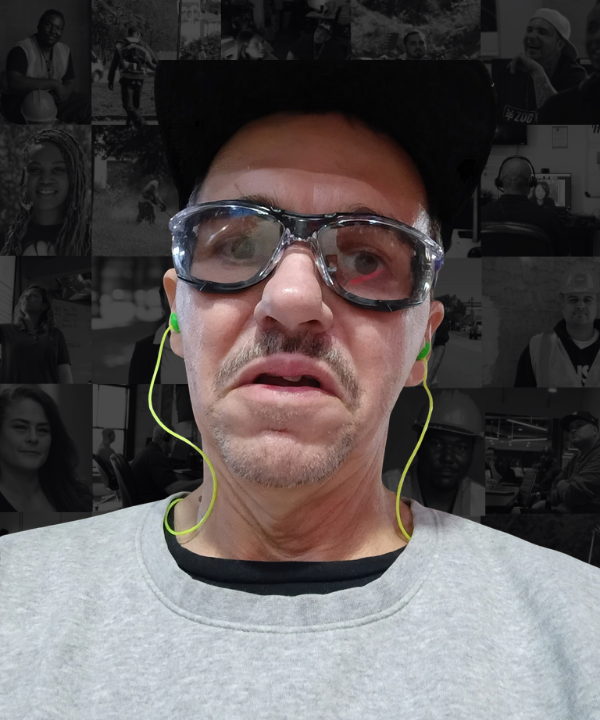
When Anthony moved into a halfway house in Pittsburgh three years ago, he wasn’t sure what would come next. On his second day there, he saw a posting on the bulletin board in the kitchen for the Center for Employment Opportunities (CEO) – suddenly he knew he had found direction.
Anthony, 58, had spent his younger years working on a dairy farm and later as a painter. He had a great work ethic and could always find work, but he didn’t realize how hard reentry was. Job-hunting post-incarceration came with new challenges: hiring discrimination, a technology gap, transportation hurdles, and rejection.
“I’m in recovery and was trying to do everything right, but the pressure from parole to pay fees immediately upon release caused anxiety,” Anthony says.
CEO offered a bridge. The nonprofit puts justice-impacted people on a transition work crew for daily pay on day one, then helps people returning from incarceration find long-term employment. CEO has become a national model for reentry success. In 2024, the program served more than 30,000 participants across 30 cities, with nearly 70% securing jobs within six months of release – proving that structured support can be the difference between success and failure.
Through CEO, Anthony landed a job at a recycling plant and began meeting weekly with a job coach. He learned how to write a resume, practice mock interviews, and apply for dozens of positions. After six months, he was hired as a painting contractor – returning to the trade he knew best.
“When I came home, I was having trouble with tech,” Anthony says. “My new boss told me on a slow day he’d let me practice on the computer at work.”
That kind gesture from a fair chance employer, paired with CEO’s practical help – bus tokens, work boots, clothing – helped Anthony rebuild confidence. But reentry is never a clean slate. Not having a driver’s license, vehicle, or money for insurance, Anthony’s boss had to pick him up and drive him home from work every day.
“I’ve been married for 27 years – all I wanted to do was work and take care of my family, but there was always something,” says Anthony. “But then my boss bought me a used Honda for two thousand dollars and I felt this huge sense of relief. When I finally got my driver’s license, it was like my life was almost stable, thanks to CEO and my company.”
Now 14 months clean, Anthony receives a monthly work retention check from CEO and his life is good. His advice to others coming home is simple: “Go to CEO and ask questions. Apply yourself. They’re there to help you.”
