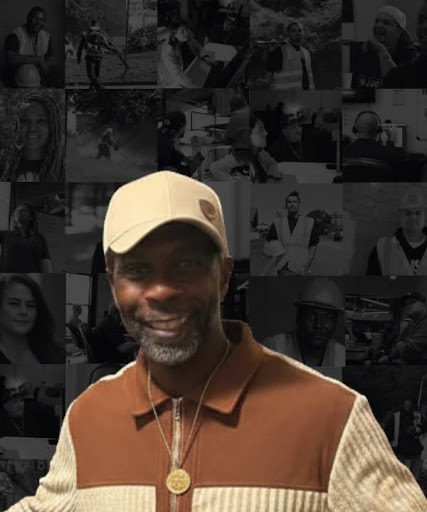
When Alex returned home from prison, he wasn't returning to the same family he had left behind. The years had passed, and the child he had once worried about from behind prison walls was now an adult and a father himself, with daughters of his own. Alex was determined to be present for this next chapter of his family's life, showing up not just as a father, but as a grandfather.
Like many people returning home from incarceration, Alex wanted to contribute to his household, support his loved ones, and create stability. Instead, much of his early reentry was spent fighting for basic resources.
"I was really apprehensive because I didn't know what to expect," Alex recalled.
Although he was released with a state ID and Social Security card, securing basic financial support proved far more difficult than he anticipated. After applying for public assistance, Alex was denied benefits because he allegedly missed a scheduled phone interview.
"How is it possible to miss an interview when the responsibility was on you to call me?" he questioned. "There was no number provided for me to reach out, so I sat there, waiting for a call that never came."
A second interview was scheduled, and once again, no call came. Only after he advocated for himself and involved additional staff was the issue finally addressed. Alex had learned a difficult lesson: even when support exists on paper, accessing it can be an entirely different challenge.
For Alex, the assistance he needed was never just about himself. His son's household was facing financial hardship, and Alex wanted to help support his granddaughters.
"These funds would definitely help support them," he explained.
Because there were other children in the household, Alex understood that any support he provided would benefit everyone under the same roof.
"You have to provide for or try to assist the whole household," he said.
Without immediate access to assistance, Alex struggled with something many individuals in reentry experience but rarely discuss: the feeling that he could not contribute to the people he loved.
"People might not say it, but they look at you like you might be a burden unless you're able to contribute," he said.
Instead of focusing on rebuilding relationships and creating memories with his granddaughters, his energy went toward securing resources and finding stability.
"It's like I'm trying to get assistance for myself to be able to do anything for anyone else," Alex said.
The pressure became overwhelming.
"I felt like I was failing them."
For Alex, the challenges of reentry were never limited to employment or paperwork. They affected his ability to show up for his family in the ways he wanted to. The financial instability of those early months made it harder to focus on rebuilding relationships and reclaiming his role within the family.
The lack of immediate stability also complicated his emotional transition back into society. After spending years incarcerated, Alex struggled with feelings of institutionalization and uncertainty. He eventually sought mental health counseling, which helped him rebuild confidence and recognize his own value.
Looking back, Alex believes those first months could have looked very different if support had arrived when he needed it most.
"It's like I'm trying to get assistance for myself to be able to do anything for anyone else," he said.
Instead of spending his energy navigating systems and securing basic necessities, he could have focused on supporting his family and building stability at home.
Alex believes people returning home should have the resources necessary to establish that stability from day one.
"If I'm incarcerated for whatever amount of time, I should be given the resources to be able to hit the ground running without obstacles," he said.
Today, Alex has stable employment and a supportive life with his wife. He is proud of the stability he has created and grateful for the opportunity to be present for his family.
Immediate income support would not have erased every challenge Alex faced after incarceration, but it would have allowed him to spend less time fighting for survival and more time focused on the people waiting for him at home.
For families navigating reentry, that difference can shape everything that comes next.
